
Home » Posts tagged 'SHEEP AND GOATS'
Tag Archives: SHEEP AND GOATS
ON MISINTERPRETED SCRIPTURE
HALIFAX, Nova Scotia, March 4, 2025 – Deuteronomy 28 provides a run-down of the blessings and curses that come from obeying God. This chapter was directed at the children of Israel, to guide them as they settled the promised land; by extension, the blessings and curses are also meant to guide us born-again believers as we settle the spiritual promised land of God’s Kingdom on Earth.
In two seminal Gospel passages, Jesus took those blessings and curses and applied them directly to us. Unfortunately, these passages are also among the most misinterpreted in all of scripture.
The first passage describes Jesus using a little child as a metaphor to explain how to live in the Kingdom. He calls the child to him and then sets him up and apart “in the midst” of the crowd while giving his teaching. The child is the focus of the lesson. Jesus explains that after being converted, his followers are to “humble” themselves like a child, to be thoroughly obedient and compliant to their heavenly Father as a child is to his earthly father. Jesus then warns what will happen to anyone who harms these little children, saying that it would be better for the offenders if they hadn’t been born at all.
The common interpretation of this passage is that Jesus was referring to all children (i.e., humans under a certain age), and that we’re to treat all children with a certain deference, as they hold a special place in God’s Kingdom, but this was not Jesus’ intention. Jesus used the child as a metaphor for God’s children (i.e., born-again believers), and the lesson is meant as a guidance for God’s children as well as a warning to anyone who purposely harms them. That Jesus was using the little child as a metaphor rather than as a direct reference is clear when he states “except ye be converted and become as little children”. He is describing here adults being converted and then humbling themselves like a child in relation to God. He was not teaching how to deal with young humans in general.
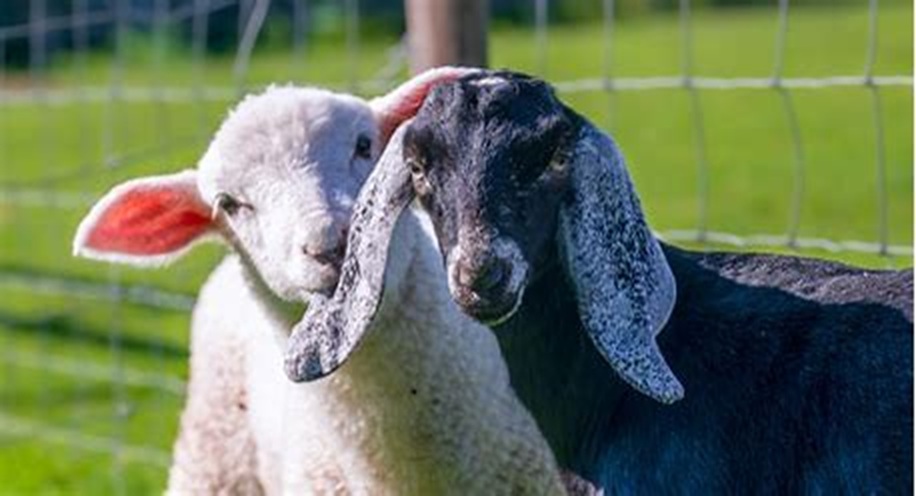
The second passage has been similarly misinterpreted and misapplied. In it, Jesus refers to God’s children as his “brethren” and describes the blessings that come from helping them and the curses that result from refusing to help them. This is the parable of the sheep and goats: the sheep are rewarded with Paradise, while the goats end up in “everlasting fire”. And who are Jesus’ brethren? Those who do God’s will, as Jesus explained in another passage.
Unfortunately, the “brethren” part has been overlooked in most interpretations of these verses, making “those in need” apply to everyone in need, especially the poor. This was not Jesus’ intention. Jesus mentions elsewhere that we can help the poor whenever we want, as there’ll never be a shortage of them, but we won’t always have him to help. In saying this, he prioritizes helping him (and by extension helping his brethren) over helping everyone else.
Enormous blessings flow to those who are obedient to God and help his children, while horrendous curses result from disobeying God and refusing to help his children (or purposely offending them). Deuteronomy 28 and the “little child” and “sheep and goats” passages make this crystal clear.
WHAT DOES IT MEAN TO BELIEVE?
HALIFAX, Nova Scotia, June 21, 2022 – In John 3:16, Jesus tells us that whoever believes in him has eternal life.
That’s quite a promise. I mean, the demons believe that Jesus is the Holy One of God – the Messiah – so does that mean the demons have eternal life?
Of course not. We know that the demons are on their way to the eternal lake of fire, despite their knowing beyond a doubt who Jesus is.
What, then, does it mean to believe in Jesus? It can’t simply mean to believe that he’s the son of God and the Messiah because, again, the demons believe that for sure (scripture tells us so), but they’re not saved.
So what does Jesus mean by believing in him?
Let’s think about this for a minute.
What else in life do you believe?
I believe that if I walk out in front of a bus that’s barreling towards me, I’m going to get run over by that bus and likely killed. I don’t want to be run over by a bus and killed, so I operate in my belief and I don’t walk out in front of any buses that are barreling towards me. I act on my belief.
I think Jesus meant the same thing when he said that those who believe in him have eternal life. Many people say they believe in Jesus, but they go about their everyday lives as if they don’t: They unapologetically break the Commandments, they never open a Bible to read what’s in it, and they essentially live the life of unbelievers, even while claiming that they “believe”. In other words, they purposely walk out in front of countless spiritual buses barrelling towards them and still think they’re spiritually safe. Surely the reward of Heaven can’t be won that cheaply? Surely Jesus meant that it took more than just to say (or sing) “I believe” to get into Heaven?
I am certain that Jesus did indeed mean that it took much more than that to get into Heaven. I am certain that, in God’s economy, to believe means not just to think something is so (like holding an opinion), but to live that belief. It’s not a superficial mental or emotional state that’s referenced in John 3:16; it’s a whole-body, whole-soul, whole-mind, core position that, once adopted, guides everything you do and say. Your belief is so deeply entrenched within you, so inseparable from who and what you are, that it molds your thoughts and actions, mostly without your even having to think about them in advance.
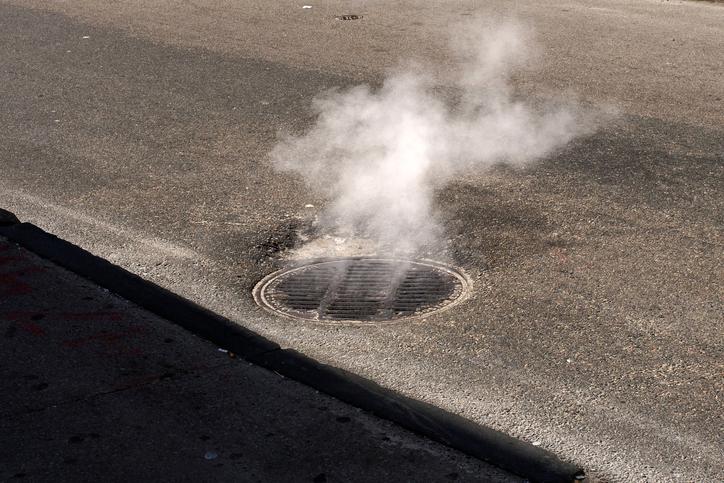
Belief is not the steam rising from a teacup full of tea, but the tea leaves themselves resting at the bottom of the teapot. There can be no tea without tea leaves, though there can be steam from any number of sources. Genuine belief is like tea leaves infusing and informing and flavoring the water in which they rest, whereas superficial belief is like steam that looks the same whether it rises from a teacup or a sewer grate.
I would wager that the belief steam rising from most Christians these days comes from a sewer grate. Belief that is stated but not lived is not what Jesus meant in John 3:16. How do we know that? Because Jesus, in other parts of the Gospel, clearly explains that it takes a certain amount of doing this-and-that and of not doing this-and-that to make it Home. Think of the parable of the sheep and goats. Think of the parable of the virgins and their lamps. Think of the rich young ruler. Think of Jesus outright stating that those who believed they were fast-tracked to Heaven based solely on their belief of being a certain tradition and heritage were destined to remain on the outside, gnashing their teeth for all eternity. Think of Jesus stating that you’ll be held to account for every word you utter. Think of Jesus stating that you have to be born-again.
John 3:16 is a great comfort to those who truly believe and whose lives – both outer and inner – reflect their belief. But for those who mistakenly assume that just saying “I believe!” is their ticket Home, a hard awakening awaits them, like it did the goats and the foolish virgins and the children of Israel who assumed Heaven was their reward simply for being children of Israel. Think of how many who were of age (20 years and up) at the start of the exodus actually made it to the Promised Land. In case you’ve forgotten, only two made it all the way.
That’s a sobering statistic if ever there was one, and that’s just for the temporal reward of the earthly Promised Land.
Why would the eternal reward of the heavenly Promised Land be any easier to obtain?
 A BORN-AGAIN BELIEVER