
HALIFAX, Nova Scotia, March 4, 2025 – Deuteronomy 28 provides a run-down of the blessings and curses that come from obeying God. This chapter was directed at the children of Israel, to guide them as they settled the promised land; by extension, the blessings and curses are also meant to guide us born-again believers as we settle the spiritual promised land of God’s Kingdom on Earth.
In two seminal Gospel passages, Jesus took those blessings and curses and applied them directly to us. Unfortunately, these passages are also among the most misinterpreted in all of scripture.
The first passage describes Jesus using a little child as a metaphor to explain how to live in the Kingdom. He calls the child to him and then sets him up and apart “in the midst” of the crowd while giving his teaching. The child is the focus of the lesson. Jesus explains that after being converted, his followers are to “humble” themselves like a child, to be thoroughly obedient and compliant to their heavenly Father as a child is to his earthly father. Jesus then warns what will happen to anyone who harms these little children, saying that it would be better for the offenders if they hadn’t been born at all.
The common interpretation of this passage is that Jesus was referring to all children (i.e., humans under a certain age), and that we’re to treat all children with a certain deference, as they hold a special place in God’s Kingdom, but this was not Jesus’ intention. Jesus used the child as a metaphor for God’s children (i.e., born-again believers), and the lesson is meant as a guidance for God’s children as well as a warning to anyone who purposely harms them. That Jesus was using the little child as a metaphor rather than as a direct reference is clear when he states “except ye be converted and become as little children”. He is describing here adults being converted and then humbling themselves like a child in relation to God. He was not teaching how to deal with young humans in general.
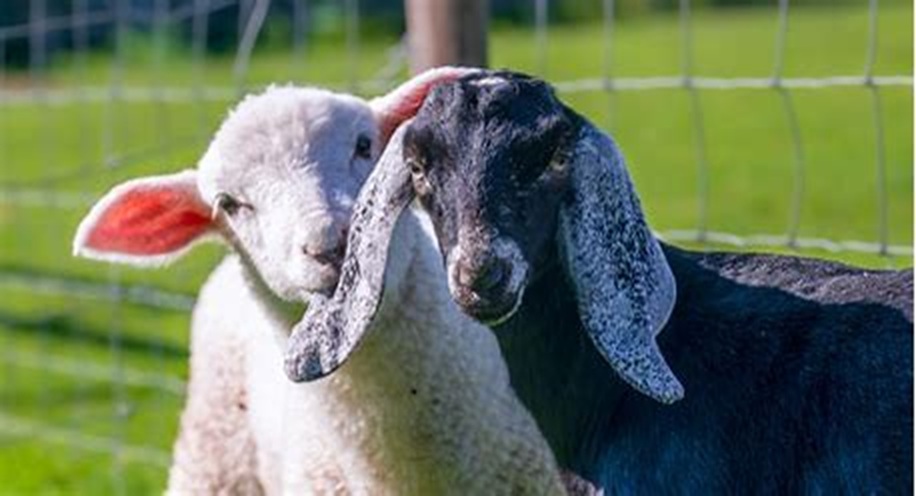
The second passage has been similarly misinterpreted and misapplied. In it, Jesus refers to God’s children as his “brethren” and describes the blessings that come from helping them and the curses that result from refusing to help them. This is the parable of the sheep and goats: the sheep are rewarded with Paradise, while the goats end up in “everlasting fire”. And who are Jesus’ brethren? Those who do God’s will, as Jesus explained in another passage.
Unfortunately, the “brethren” part has been overlooked in most interpretations of these verses, making “those in need” apply to everyone in need, especially the poor. This was not Jesus’ intention. Jesus mentions elsewhere that we can help the poor whenever we want, as there’ll never be a shortage of them, but we won’t always have him to help. In saying this, he prioritizes helping him (and by extension helping his brethren) over helping everyone else.
Enormous blessings flow to those who are obedient to God and help his children, while horrendous curses result from disobeying God and refusing to help his children (or purposely offending them). Deuteronomy 28 and the “little child” and “sheep and goats” passages make this crystal clear.
 A BORN-AGAIN BELIEVER